
For many non-profit organisations, gala events represent far more than a single evening of fundraising. A successful gala can strengthen donor relationships, increase awareness, generate vital funding, and create long-term support for an organisation’s mission.
However, the most successful fundraising galas rarely begin a few weeks before the event. Strong donor engagement is built over time. Rather than focusing solely on ticket sales and event logistics, many organisations achieve better results by developing year-round communication and engagement strategies that keep supporters connected to the cause.
At Expo Social, we understand the importance of creating meaningful event experiences that encourage engagement and participation. Effective event planning is not simply about organising a venue or managing logistics. It is about creating opportunities for people to connect with an organisation, its mission, and its wider community. Expo Social
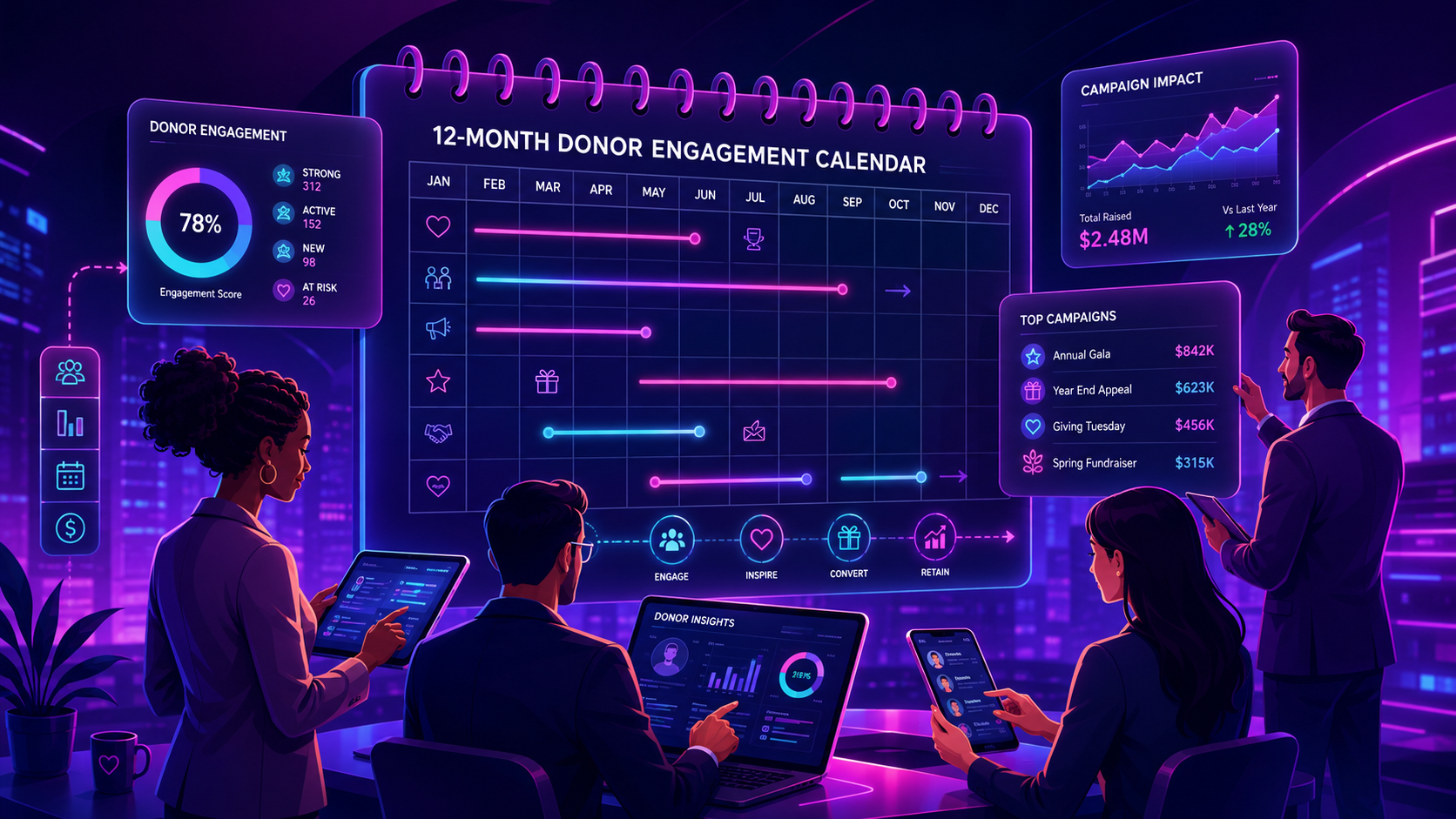
A structured donor engagement calendar can help charities and non-profit organisations maintain momentum throughout the year and build stronger relationships ahead of a gala event.
Why Donor Engagement Should Be Year-Round
Many organisations naturally focus their communication efforts around major fundraising campaigns or events.
While this can generate short-term interest, donor relationships are often strongest when communication continues throughout the year. Regular engagement helps supporters feel connected to the organisation’s progress and demonstrates the impact of their contributions.
A gala should therefore be viewed as one part of a broader donor engagement strategy rather than an isolated fundraising activity.
By maintaining contact throughout the year, organisations can create stronger relationships that lead to greater participation when gala season arrives.
Twelve Months Before The Gala: Define Objectives

Planning often begins with clear objectives.
Before launching donor communications, organisations should establish what they hope to achieve through the event. Goals may include fundraising targets, attendance numbers, sponsorship opportunities, donor retention, or increasing awareness of specific projects.
Having clear objectives helps shape communication strategies and provides a framework for measuring success.
At this stage, organisations can also begin identifying key donor groups and supporters who may play an important role in the upcoming event.
Eleven Months Before: Review Previous Engagement
Understanding past performance can provide valuable insight.
Reviewing attendance data, sponsorship support, fundraising results, donor feedback, and previous engagement activities helps identify what worked well and where improvements can be made.
This review process can also highlight donors who have consistently supported the organisation and may be valuable advocates during future campaigns.
Building on existing relationships often provides a strong foundation for future engagement.
Ten Months Before: Reintroduce Your Mission
Donor engagement should always remain connected to the organisation’s purpose.
This is an ideal time to share updates, achievements, project outcomes, and success stories that demonstrate the impact of donor support. Rather than immediately promoting the gala, organisations can focus on reinforcing the mission and reminding supporters why their involvement matters.
Meaningful storytelling can help maintain emotional connections and encourage ongoing engagement.
Nine Months Before: Strengthen Community Connections
Many successful fundraising events benefit from strong community involvement.
Organisations can begin engaging supporters through newsletters, social media activity, volunteer opportunities, and smaller events throughout the year. These touchpoints help maintain visibility and encourage ongoing interaction.
Regular communication helps ensure supporters remain engaged long before formal gala invitations are sent.
Eight Months Before: Identify Potential Sponsors
Corporate sponsorship often plays an important role in gala fundraising.
At this stage, organisations can begin identifying businesses, partners, and supporters who may be interested in sponsorship opportunities. Early conversations often provide more time to develop meaningful partnerships and create mutually beneficial opportunities.
Building relationships well in advance can increase the likelihood of sponsorship commitments later in the planning process.
Seven Months Before: Share Future Plans
Supporters often appreciate understanding where an organisation is heading.
Providing updates on future projects, strategic priorities, or upcoming initiatives helps donors feel involved in the organisation’s journey. This creates additional opportunities for engagement while reinforcing the importance of ongoing support.
Transparency and regular communication can help strengthen donor confidence.
Six Months Before: Introduce Gala Messaging
With six months to go, organisations can begin introducing the upcoming gala into their communications.
Rather than focusing exclusively on fundraising, early messaging can highlight the event’s purpose, celebrate previous successes, and explain how support contributes to organisational goals.
This gradual introduction helps build awareness without overwhelming supporters with promotional content.
Five Months Before: Encourage Early Participation
As awareness grows, organisations can begin encouraging supporters to save the date and express interest in attending.
This stage can also be used to identify potential table hosts, ambassadors, sponsors, and volunteers who may help promote the event within their own networks.
Personal engagement often remains one of the most effective ways to encourage participation.
Four Months Before: Highlight Impact
Donors are often motivated by understanding the difference their support makes.
Sharing impact-focused content, project updates, beneficiary stories, and measurable outcomes can help reinforce the value of donor contributions. These communications should continue to focus on the organisation’s mission rather than solely on event attendance.
When supporters understand the impact of their involvement, they are often more likely to engage with fundraising initiatives.
Three Months Before: Increase Event Visibility
Three months before the gala is often an appropriate time to increase event-focused communication.
Ticket availability, sponsorship opportunities, event highlights, and key information can be shared more prominently. Organisations may also begin introducing guest speakers, entertainment, auction opportunities, or other event features where appropriate.
Consistent communication helps maintain momentum as the event approaches.
Two Months Before: Personalise Donor Outreach
Personal communication can be particularly valuable during this stage.
Reaching out directly to key supporters, sponsors, major donors, and long-term advocates helps strengthen relationships and reinforce their importance to the organisation.
Personal invitations and individual conversations often contribute to stronger attendance and engagement levels.
One Month Before: Build Excitement
The final month before the gala is an opportunity to generate excitement and anticipation.
Regular updates, event reminders, behind-the-scenes content, and final preparations can help maintain enthusiasm among attendees. Organisations can also continue reinforcing the event’s purpose and fundraising goals.
Creating anticipation helps ensure strong engagement on the night itself.
During The Event: Focus On Relationships
While fundraising remains important, successful galas also focus on relationship building.
Attendees should feel welcomed, appreciated, and connected to the organisation’s mission. Opportunities for meaningful interaction can help strengthen donor loyalty and encourage future support.
Every touchpoint contributes to the overall donor experience.
After The Gala: Continue The Conversation
Donor engagement should not end when the event concludes.
Prompt thank-you messages, impact updates, fundraising results, and ongoing communication help maintain momentum after the event. Supporters should understand how their contributions will be used and the difference they have helped create.
Post-event communication is often one of the most important stages of donor stewardship.
The Value Of A Structured Approach
A twelve-month donor engagement calendar helps transform a gala from a single fundraising event into part of a broader relationship-building strategy.
By maintaining consistent communication throughout the year, organisations can strengthen donor relationships, improve event participation, and create more sustainable fundraising outcomes.
Rather than relying solely on last-minute promotion, charities can develop ongoing engagement that supports both immediate fundraising goals and long-term organisational growth.
How Expo Social Can Help
At Expo Social, we understand that successful events are built on meaningful engagement. Through creative event planning, production, and experience management, we help organisations create events that connect people with causes, communities, and shared objectives.
Whether planning a fundraising gala, charity event, corporate function, or community initiative, thoughtful planning and audience engagement remain at the heart of every successful event.
Conclusion
A successful gala begins long before invitations are sent.
By developing a structured twelve-month donor engagement calendar, non-profit organisations can strengthen relationships, maintain supporter interest, and create a stronger foundation for fundraising success.
Consistent communication, meaningful engagement, and a clear focus on impact help ensure that donors remain connected to the organisation throughout the year. When the gala finally arrives, attendees are not simply supporting an event. They are supporting a mission they have remained connected to every step of the way.
Leave a Reply