
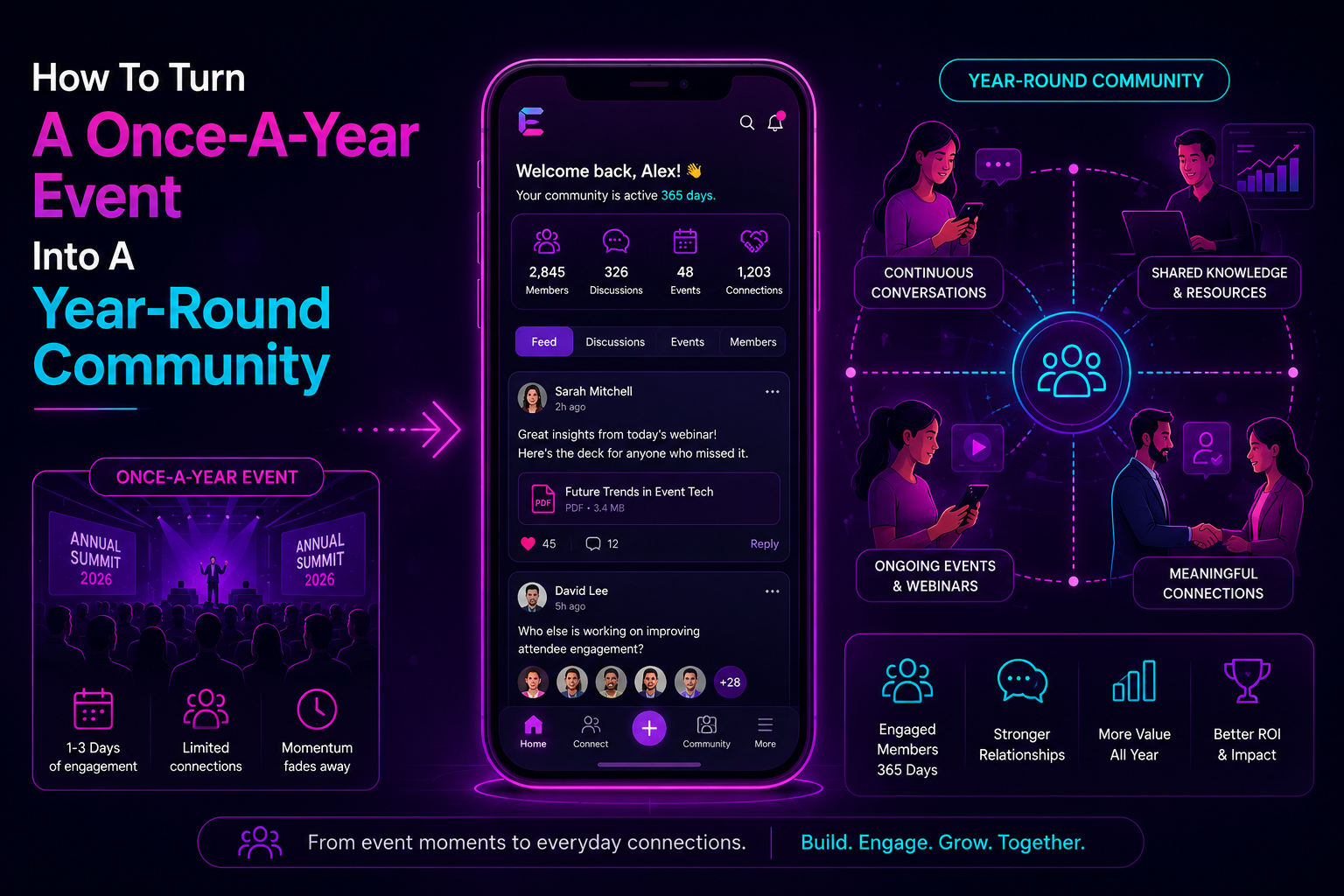
Many events generate excitement, engagement, and meaningful connections while they are taking place. Attendees network, share experiences, learn from speakers, and engage with brands and fellow participants. The challenge begins once the event ends.
For many organisers, activity drops significantly between event dates. Social media channels become quieter, conversations slow down, and audiences gradually disengage until promotion for the next event begins.
However, successful event marketing is increasingly moving beyond a single annual event model. Organisations are now focusing on creating year-round communities that keep audiences connected, engaged, and invested long after the event itself has finished. Industry experts increasingly recommend viewing an event as the beginning of an ongoing content and community strategy rather than the final destination.
At Expo Social, we help organisations use social media strategically to build stronger communities, maintain engagement, and maximise the value of their events throughout the year.
Why Community Matters More Than Ever
An event may only last a few hours, days, or weeks, but the relationships formed during that time have the potential to continue far beyond the event itself.
Attendees increasingly want opportunities to continue conversations, access valuable content, network with like-minded people, and remain connected with the communities they discover through events. Research within the events industry has highlighted the growing importance of year-round engagement, with organisers using online communities to maintain connections and encourage ongoing interaction between attendees and exhibitors.
When organisers successfully build a community rather than simply running an event, they create stronger relationships with their audience and maintain visibility throughout the year.
Think Beyond Event Day
One of the most effective mindset shifts organisers can make is to stop viewing the event itself as the final goal.
Industry experts increasingly recommend treating the event as the start of an ongoing content and engagement strategy. Content captured during the event can continue delivering value for months after attendees have gone home. Interviews, speaker sessions, audience discussions, testimonials, photographs, and behind-the-scenes footage can all be repurposed into future content.
Rather than asking, “How do we promote the event?”, organisers should also ask, “How do we continue the conversation after the event?”
Use Social Media To Keep Conversations Going
Social media plays a central role in community building.
Many organisers focus heavily on social media before and during an event but reduce activity significantly afterwards. This can cause engagement levels to fall quickly.
Instead, social platforms can be used to maintain ongoing conversations throughout the year. Event highlights, industry news, audience discussions, speaker insights, polls, and user-generated content can all help keep audiences engaged between events. Social media experts consistently highlight the value of repurposing event content and using social channels to maintain audience engagement long after an event has concluded.
The goal is to ensure your audience continues seeing value in following your channels even when the next event is months away.
Create Valuable Content Throughout The Year
Content remains one of the most powerful tools for community building.
Event organisers often generate a huge amount of valuable material during an event but fail to maximise its long-term potential. Speaker presentations, panel discussions, interviews, attendee feedback, and educational sessions can all be transformed into ongoing content.
Industry leaders recommend recording sessions, publishing interviews, creating articles, sharing clips, and repurposing event content to support engagement throughout the year. This approach helps maintain audience interest while also creating valuable resources for future attendees.
Consistent content helps ensure your event remains visible even when it is not actively being promoted.
Encourage Two-Way Engagement
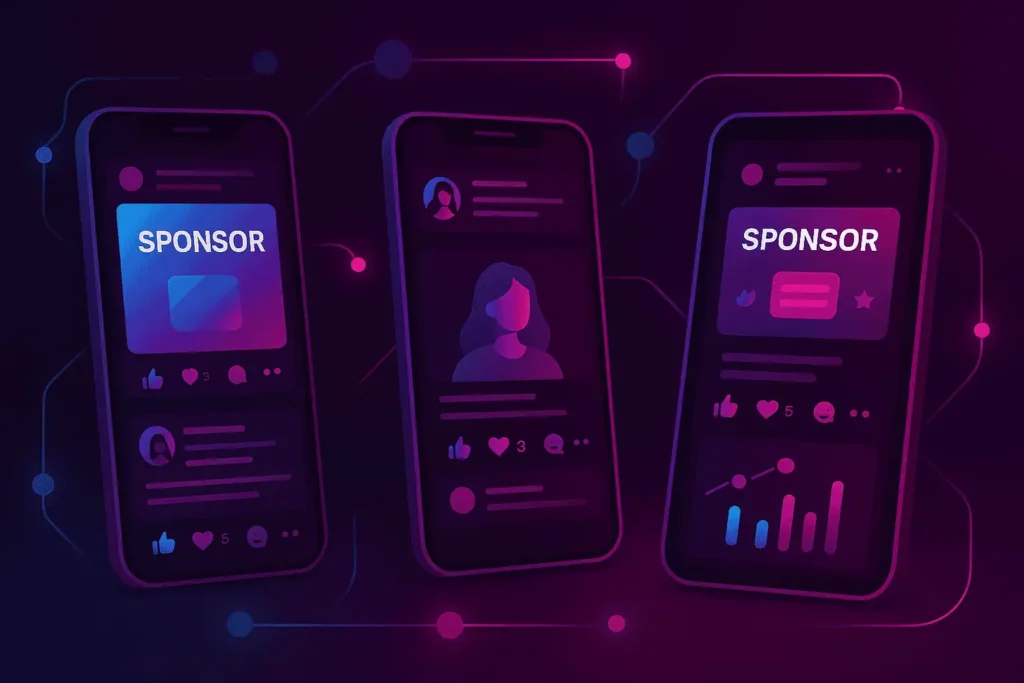
Communities thrive on conversation.
One of the biggest differences between an audience and a community is participation. Audiences consume content, while communities contribute to it.
Successful community building involves creating opportunities for members to engage with one another rather than simply receiving updates from organisers. Industry experts recommend providing spaces where attendees can connect, ask questions, share ideas, and participate in discussions throughout the year.
Social media groups, online forums, discussion threads, and interactive content can all support this type of engagement.
Make Your Audience Feel Involved
People are more likely to remain engaged when they feel they are part of something larger than themselves.
Community members often want opportunities to contribute their opinions, share experiences, and influence future events. Asking for feedback, involving attendees in content creation, highlighting member achievements, and encouraging discussion can all help strengthen community connections.
Community-focused event strategies often succeed because they create a sense of belonging rather than simply delivering information. Strong communities develop when members feel valued and recognised.
Use Different Content Formats
Not everyone engages with content in the same way.
Some people prefer videos, while others enjoy articles, podcasts, webinars, infographics, or live discussions. A varied content strategy helps keep audiences engaged and accommodates different preferences.
Event content can be repurposed into multiple formats throughout the year. A single speaker presentation might become a video clip, a blog article, a social media post, a webinar topic, and a discussion thread.
This approach helps maximise the value of content while keeping community engagement fresh and varied.
Build Anticipation Gradually
One advantage of maintaining a year-round community is that event promotion becomes much easier.
Rather than rebuilding awareness from scratch every year, organisers already have an engaged audience ready to hear about future plans. Consistent communication allows excitement to build gradually rather than relying on short-term promotional campaigns.
Industry experts increasingly recommend ongoing engagement strategies because they help maintain momentum and keep audiences invested in future events.
A connected community often leads to stronger attendance, increased participation, and greater long-term loyalty.
Keep Your Digital Presence Active
Many event websites and social channels become largely inactive between events.
However, maintaining an active digital presence can help bridge the gap between event cycles. Regular updates, articles, interviews, videos, and community discussions help ensure audiences continue returning to your platforms throughout the year.
Event marketing specialists frequently highlight the importance of keeping websites and digital channels active to support ongoing engagement and maintain visibility.
An active online presence reinforces the idea that the community exists year-round, not just during event week.
Measure Community Growth
Building a community is an ongoing process rather than a one-off campaign.
Tracking engagement metrics can help organisers understand what content resonates most with their audience. Community growth may be reflected through social media engagement, content interactions, discussion participation, newsletter subscriptions, repeat attendance, and audience feedback.
Monitoring these indicators helps refine future strategies and identify opportunities for deeper engagement.
How Expo Social Can Help
At Expo Social, we help organisations develop social media strategies that extend far beyond event promotion. We understand that the strongest events are often supported by active, engaged communities that continue to interact throughout the year.
By creating content strategies, social media campaigns, and engagement plans designed to maintain momentum, we help organisations strengthen audience relationships, increase visibility, and build lasting communities around their events.
Conclusion
A successful event should not be viewed as the end of a conversation. Instead, it can serve as the foundation for an active and engaged community that continues to grow long after the event itself has finished.
Through consistent content, meaningful engagement, active social media management, and opportunities for genuine connection, organisers can transform a once-a-year event into a thriving year-round community.
At Expo Social, we help organisations use social media strategically to maintain engagement, strengthen audience relationships, and ensure their events continue delivering value every day of the year.
Leave a Reply